Th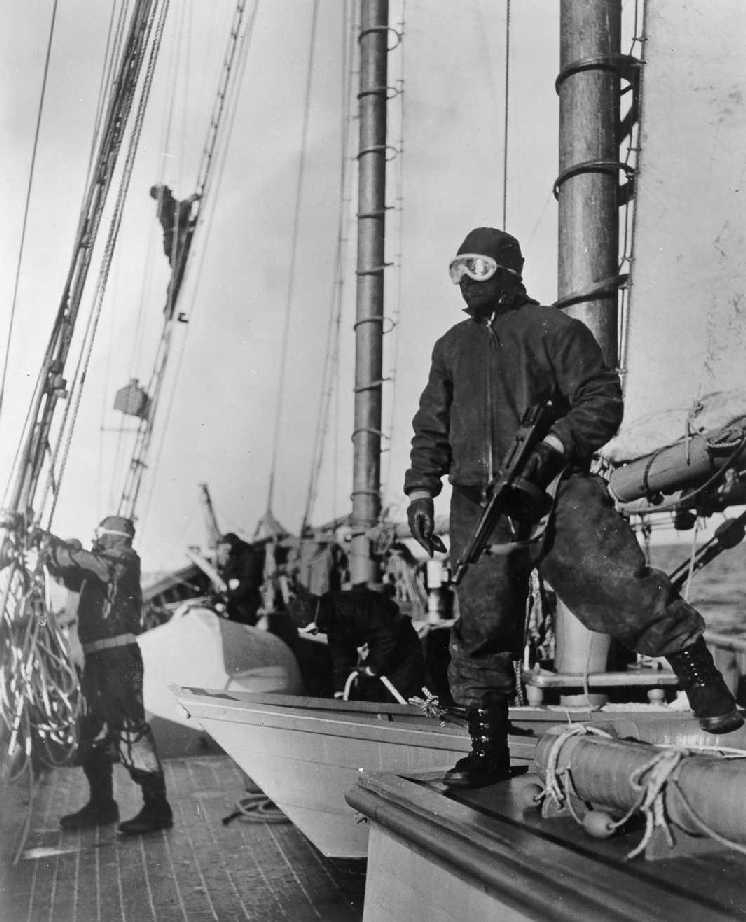 e Coast Guard Reserve was established by the passage of the Coast Guard Reserve and Auxiliary Act of February 19, 1941. That act also established the Coast Guard Auxiliary under its present name (the Auxiliary had originally been called the “Coast Guard Reserve”). The new Coast Guard Reserve was modeled after the Naval Reserve as a military component. It was composed of two broad classifications: Regular Reservists and Temporary Reservists. Thousands of regular Reserve members served on active duty during World War II “for the duration,” while Temporary Reserve members consisted of volunteers and former Auxiliary members whose paid or unpaid services were still needed in a military capacity for Stateside service missions, such as port security, coastal picket vessels, beach patrol duties, and office work.
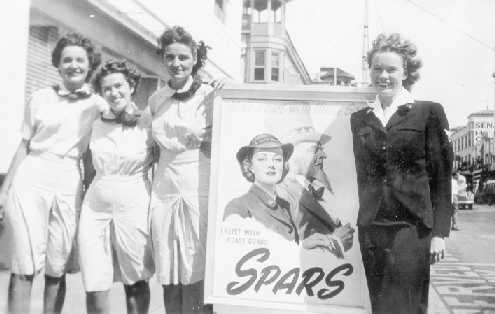 On November 23, 1942, Congress also enacted Public Law 773 establishing the Women’s Reserve as a branch of the Coast Guard. Members of this branch became known as SPARs, an acronym drawn from the service’s motto, Semper Paratus, Always Ready. More than 92 percent of the 214,000 men and women who served in the Coast Guard during World War II were active-duty reservists, with an additional 125,000 personnel serving in the Temporary Reserve. During the war, reservists served in all Coast Guard mission areas.
At the conclusion of World War II, most reservists were released on inactive duty or discharged. The Women’s Reserve was terminated in July 1947 but reestablished in August 1949. By 1950, funds were earmarked by Congress for the establishment of a paid drilling Reserve in support of the Coast Guard’s Cold War port security responsibilities. The first postwar Reserve unit was formed in Boston in October 1950, setting the framework of today’s Coast Guard Reserve. This period also saw the Reserve-based Coastal Forces mission established to defend against Cold War adversarial infiltration of the U.S. In 1969, during the Vietnam War, the Selected Reserve reached a peak post-World War II strength of 17,815 reservists.
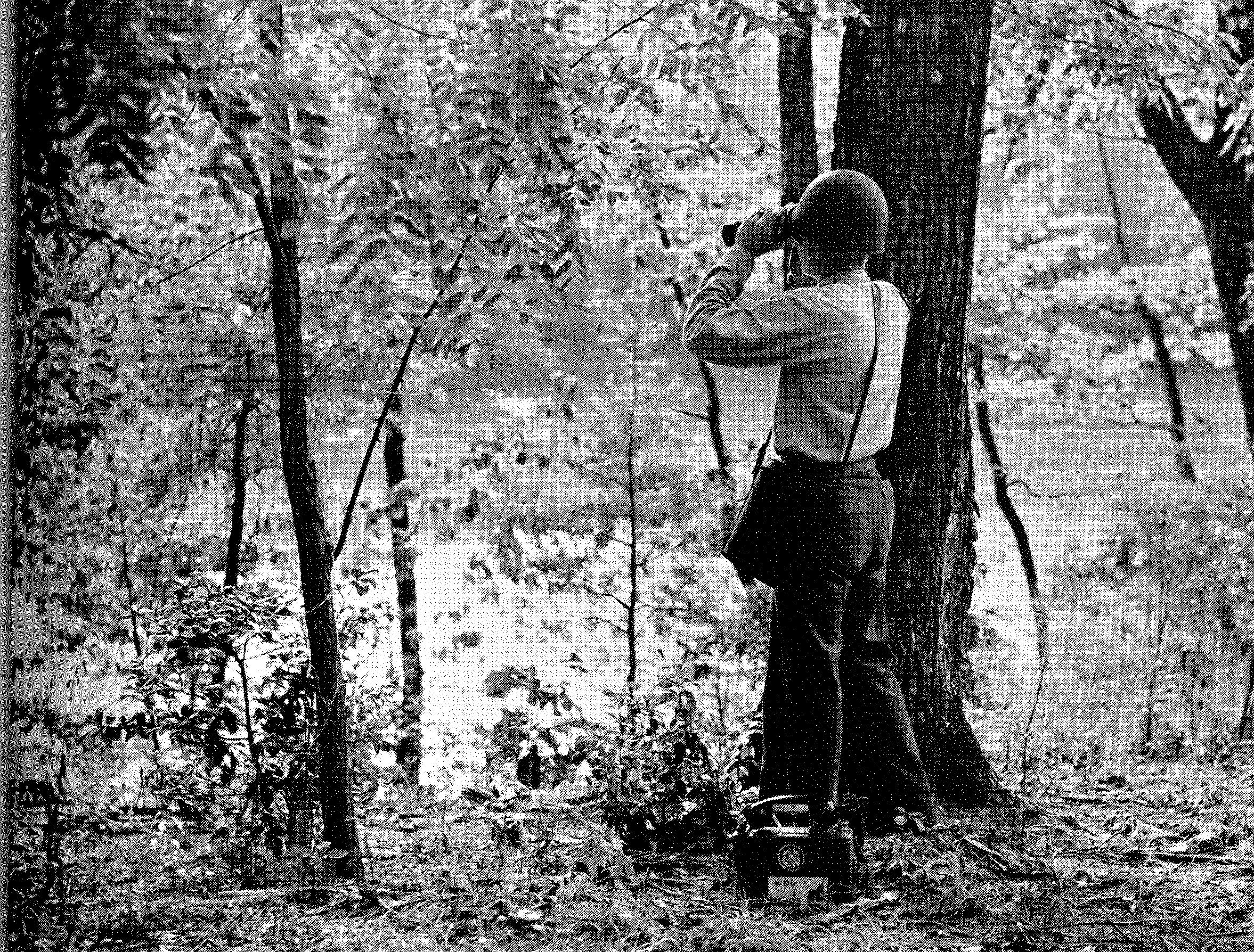 Between 1973 and 1990, Coast Guard reservists were involuntarily recalled on just three occasions. In the Spring of 1973, the Reserve exercised its first “involuntary recall” to support flood response operations in the Midwest. More than 130 reservists were recalled. Another involuntary recall was invoked in 1980 for the Mariel Boat Lift exodus from Cuba. The 1980s also included augmentation duty enforcing security zones for Space Shuttle operations off Cape Canaveral, Florida, logging over 6,000 days the first two decades of the Space Shuttle program. The decade finished with major Reserve augmentation for the massive cleanup operations in Alaska following the Exxon Valdez oil spill. Sixty-five percent of the personnel assigned to that operation came from the Reserve.
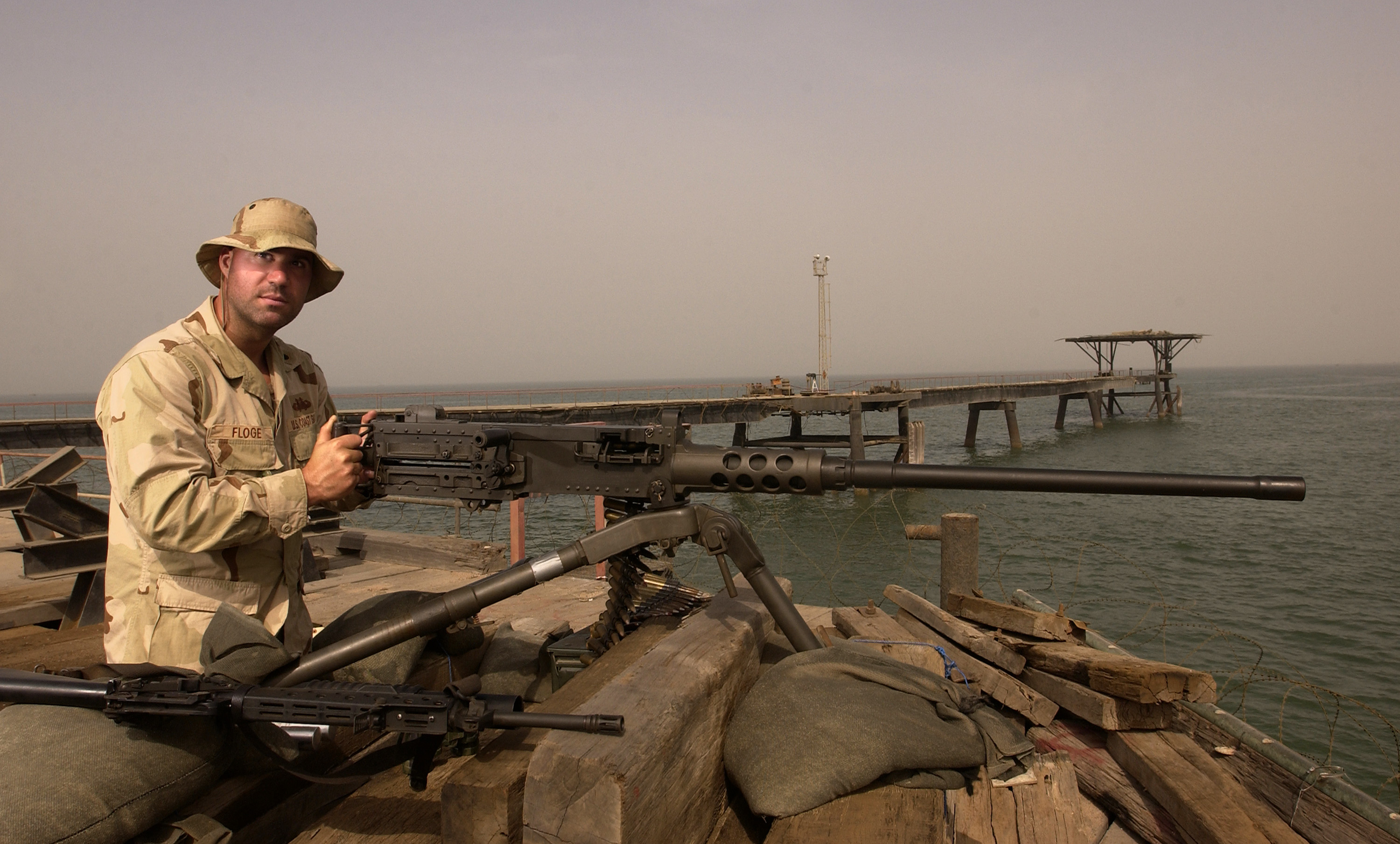 The 1990s saw a growing demand for the Coast Guard’s unique domestic recall authority under 14 USC 712. In the Coast Guard’s national defense role, 1,650 reservists, over 15 percent of the Selected Reserve, participated in Operations Desert Shield and Desert Storm from 1990 to 1991. Many had been part of newly formed port security units (PSUs), which for the first time included women in combat roles. In 1994, PSUs also participated with the joint community in Operation Uphold Democracy in Haiti and, since then, they have continued to participate in joint military exercises worldwide.
In September 1992, Hurricane Andrew’s devastation of South Florida marked a change in Reserve recalls. Districts began to routinely request involuntary recall authority whenever a hurricane threatened the coastline of the U.S. or its territories. During the 1990s, the Reserve provided personnel to support 12 hurricane and six major flood operations, including Hurricane Floyd in 1999. Reservists volunteered for the 1999 search-and-recovery efforts following the crashes of the light plane piloted by John F. Kennedy, Jr., and EgyptAir Flight 990. Late that year, the Coast Guard also received authorization to recall reservists to respond to possible Y2K-related contingencies but did not do so.
The year 2000 saw approximately 1,000 reservists served on active duty in support of Operation Sail (OpSail 2000). That year also saw Coast Guard reservists deploying a second time to the Middle East. On October 12, 2000, a terrorist attack on the USS Cole in the Port of Aden, Yemen, killed 17 Navy sailors and injured 39 others. Two months later, 37 members of PSU 309 deployed to provide ship-borne and waterside security for high value vessels in the Middle East region. This would be a precursor of things to come.
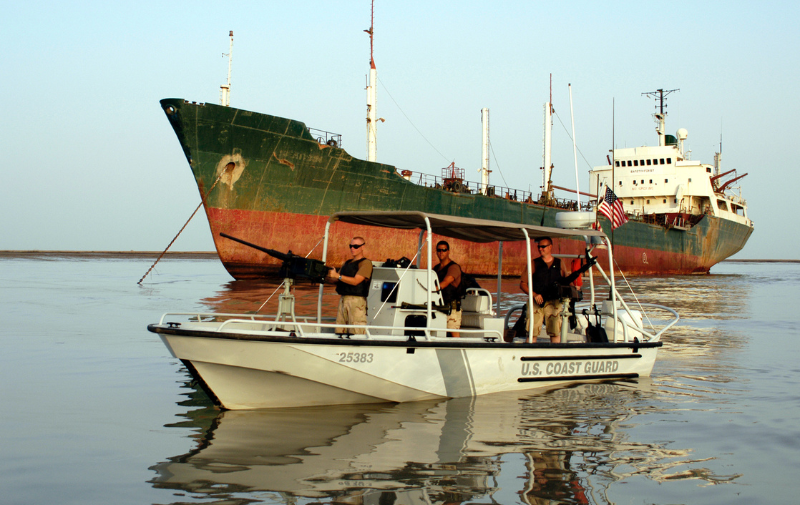 The world-changing terrorist attacks of 9/11 highlighted the value of the Coast Guard Reserve. Among those recalled to protect the homeland were members of PSU 305 and PSU 307, which were sent to the ports of New York and Boston, respectively. Hundreds of other reservists were deployed to protect dozens of critical ports along the nation’s coasts. As noted by then Director of Reserve Rear Admiral Dennis Sirois,
When the nation was confronted by the immediate need for securing our domestic port infrastructure, the Coast Guard was there. Exercising existing plans and the unique authorities granted the Secretary of Transportation, the Coast Guard Reserve surged immediately on 11 September, with up to 1,100 members on duty by 14 September.
In addition to domestic port security, reservists at PSUs began a near decade-long mission of landside and waterside security in the Middle East and largely Reserve-manned Redeployment Assistance and Inspection Detachment (RAID) teams served in Iraq and Afghanistan. Meanwhile, PSUs also began the custom of providing waterside security at Naval Base Guantanamo, Cuba.
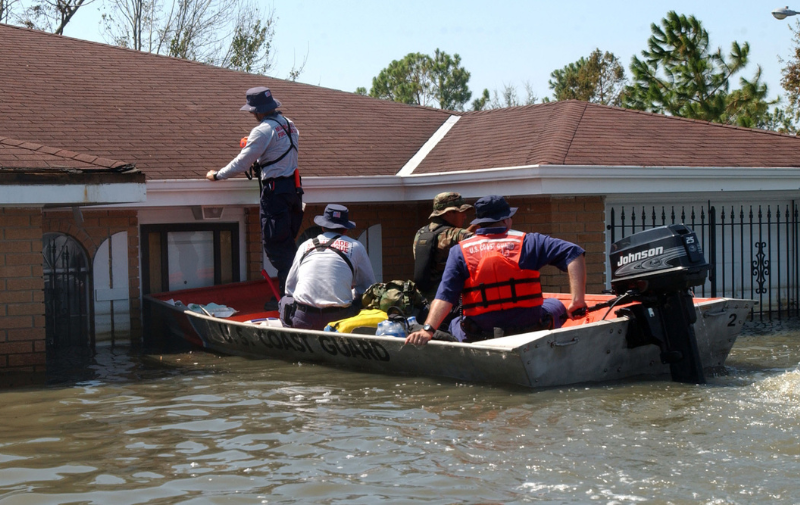 In 2005, a series of natural disasters led again to the recall of hundreds of reservists. The first and most notable was Hurricane Katrina, which devastated the Gulf Coast states and led to the levee failure and flooding of New Orleans. Katrina was closely followed by Hurricane Rita, impacting the Houston-Galveston area.
The high operation tempo created in the post-9/11 world forced the Coast Guard to re-evaluate how to manage, administer, and train the Reserve for surge and contingency operations. This led to the first reorganization of the component since its integration during the mid-1990s.
The result was the creation of the Reserve Force Readiness System, or RFRS. RFRS repositioned full-time support billets funded by AFC-90 Reserve training appropriations to meet their statutory mandate of providing a well-trained and ready Reserve component. Initially implemented in 2009, the RFRS structure was designed to ensure ongoing alignment of strategic and tactical program management from the Headquarters level to the Sectors.
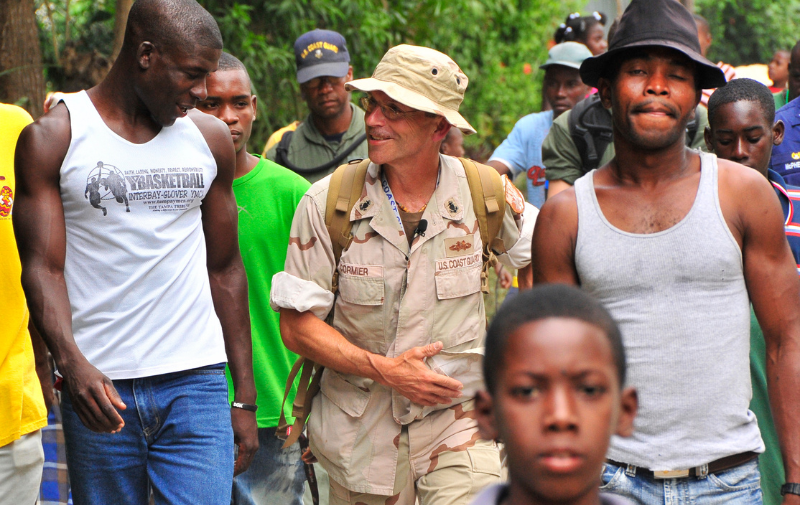 The 2010s got off to a hectic start for the Coast Guard and Coast Guard Reserve. On January 12th, a violent earthquake devastated Port-au-Prince, Haiti. Hundreds of thousands of people lost their lives, and thousands more were injured and left homeless. The Coast Guard was first on scene with Cutter Forward arriving later that day. In the days and weeks that followed, thousands of Coast Guard personnel supported the operation. On January 19th, Secretary of Homeland Security Janet Napolitano authorized the activation of 900 reservists to bolster the 500 Coast Guard personnel already on scene in Haiti.
While humanitarian operations continued in Haiti, the Deepwater Horizon oil spill sparked the recall of more than 4,000 Coast Guard reservists. It was the largest environmental response for the Coast Guard since the Exxon Valdez spill in the late 1980s. And, like the Valdez response in Alaska, reservists played a vital role in both the initial response and long-term cleanup effort.
Just two years later, Mother Nature wreaked havoc again, this time on the East Coast in the form of Super Storm Sandy. The “Frankenstorm” made landfall October 30, 2012, five miles southwest of Atlantic City, New Jersey, with winds extending almost 900 miles from its center. Over 150 deaths were attributed to the storm, as well as $65 billion in damage. Hundreds of Reserve personnel were recalled to assist with response and cleanup operations.
In 2013, with an eye toward improving readiness, the Coast Guard’s Pacific Area Commander employed reservists from around the country in a mobilization exercise (MOBEX) to support the America’s Cup 34 in San Francisco. In July and September, Reservists from every Coast Guard District converged on the Bay Area, specifically Station San Francisco on Yerba Buena Island, for two-week rotations in support of the racing events. The value of MOBEX was best summed up by Petty Officer First Class Ralph Ricapito, who mobilized from Station Atlantic City as a boarding team member: “At MOBEX 2013, we had the opportunity to perform the mission we train to do.”
Over the next decade and beyond, the Reserve would support countless response efforts. These included the devastating triple strike of major hurricanes Harvey, Irma and Maria, the COVID-19 pandemic, operations on the Southwest Border, 2024’s Hurricane Helene, 2025’s Francis Scott Key Bridge response and many more.
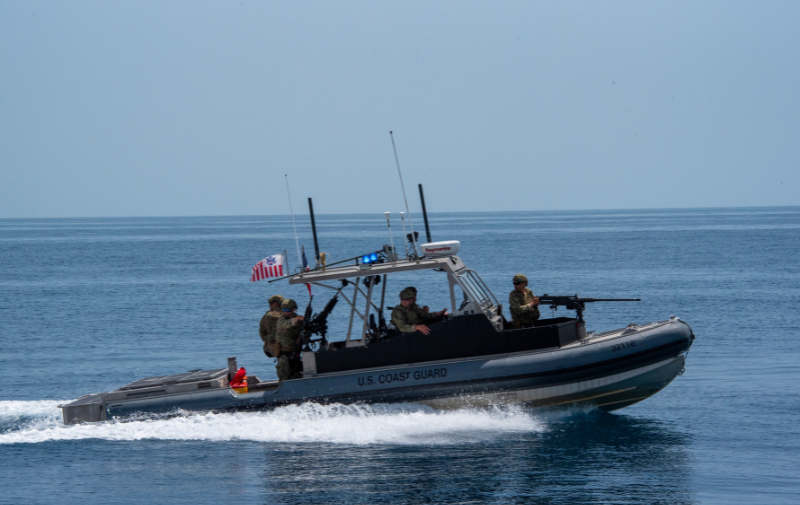 Today, reservists’ commitment to train, augment, and attain competencies, coupled with frequent mobilizations at home and abroad, has afforded the Coast Guard a highly skilled and adaptable workforce. As the nation moves forward to meet demands in the Arctic and energy sectors and tackle emerging threats in Cyber and the Western Hemisphere, the Reserve will continue to be an integral part of fulfilling Coast Guard missions for effective maritime governance.
As the Coast Guard Reserve enters its 85th year, today’s trained force of 7,000 reservists stands ready to answer the call. Since its establishment, the Coast Guard Reserve has been vital to the service’s ability to meet surge and contingency operations while excelling in steady state missions. The nation is well-served by the reliable and proficient capability the Reserve component provides. Whether at home or overseas, whether manmade or natural, whatever the reason, wherever the need, the Coast Guard Reserve will be there when most needed.